
Neuroplasticity and Epigenetic Transmission of Traumatic Stress
This topic examines the mechanisms of transgenerational stress inheritance through epigenetic modification of the HPA axis.
Neurobiological research suggests that maternal stress can imprint phenotypic shifts in offspring via DNA methylation, influencing fear-response circuitry.
LHS Lens Analysis
An analytical framework for exploring how narratives, identity, institutions, and communication may shape understanding. Does not assert conclusions as fact.
Related LHS IP for this topic
Existing books, rare archives, reports, and podcast panels that engage Neuroplasticity and Epigenetic Transmission of Traumatic Stress — fully functional and ready to dive into.
Rare Book Archive
· 2 matches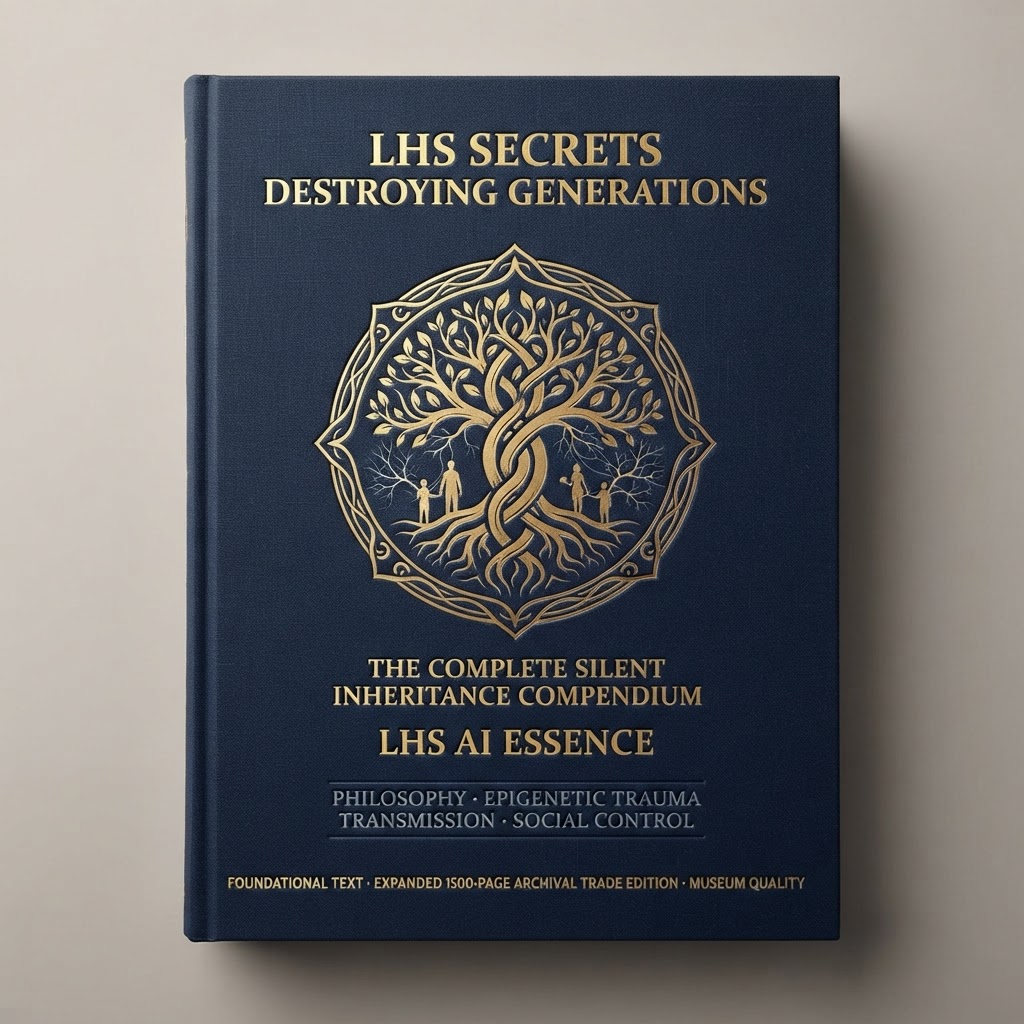
LHS Secrets Destroying Generations: The Complete Silent Inheritance Compendium
by LHS AI Essence
From $26.99
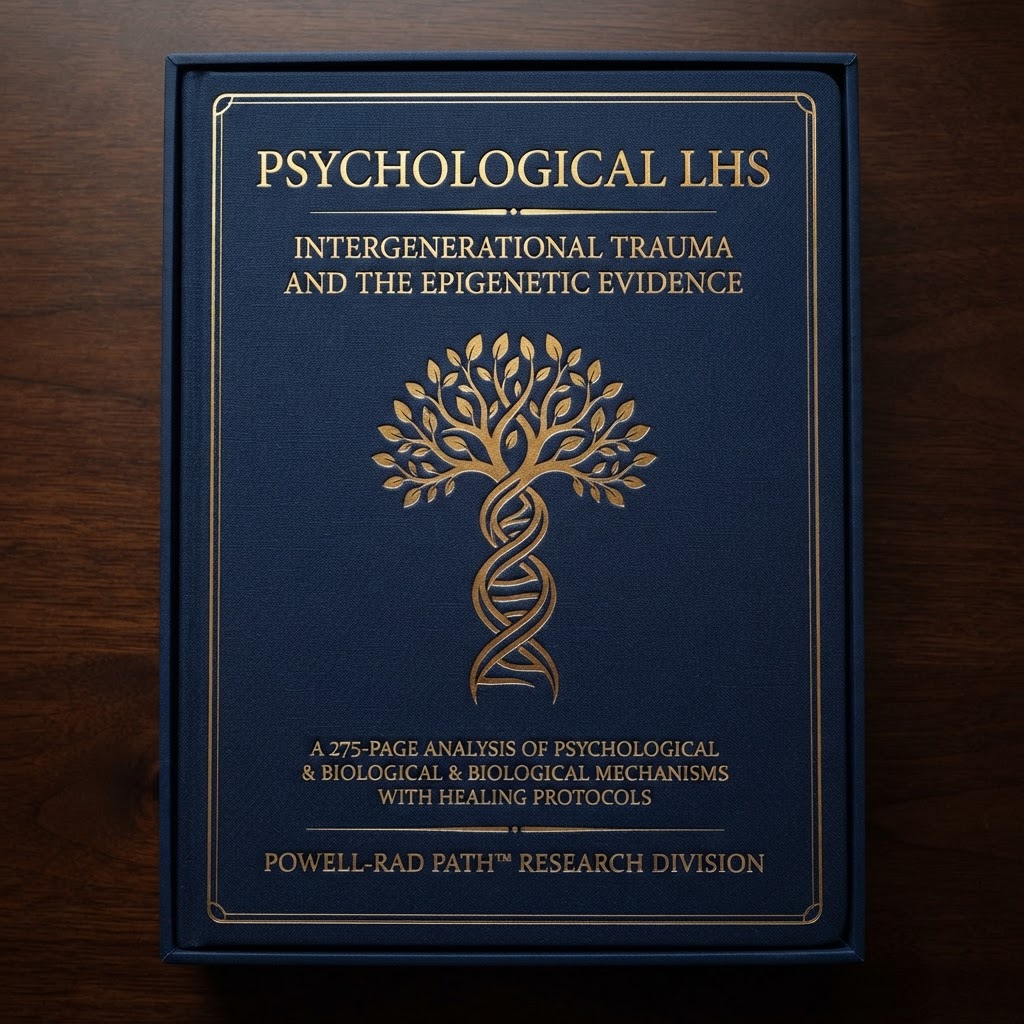
Psychological LHS: Intergenerational Trauma and the Epigenetic Evidence
by Powell-Rad Path™ Research Division
From $19.99
AI Essence Podcast Panels
· 2 matchesThe Healing Inheritance (Scholar Series Source) — Special Collector's Edition
~3 min panel
LHS Secrets Destroying Generations: The Complete Silent Inheritance Compendium
~3 min panel
More IP is published by the AI Essence squad every day.
Browse allRecommended for you
Scholarly articles and roundtable discussions related to this topic. Save items to your library to personalize these suggestions.
Scholarly articles
The Epigenetics of Exclusion: Why the System Targets the Disruptor
This article explores the physiological and psychological underpinnings of why disruptors trigger systemic rejection, utilizing the Lens to explain the 'niggerization' pattern as an epigenetic defense mechanism against perceived instability.
LHS Reference Library · Article
The Biological Debt: Decoding the Stress of the Inherited Secret
This piece explores the physiological cost of carrying 'Legacy Hanging Shadows,' focusing on how the EAT framework can mitigate the somatic impact of suppressed family trauma.
LHS Reference Library · Article
The Suppressed Witness: Why Civilizations Fear the Unspoken
This article examines the role of the 'Suppressed Witness' in civilizational collapse, arguing that the silencing of internal dissent acts as the final catalyst for societal rupture.
LHS Reference Library · Article
The Stoic Blueprint: Can Japanese Monozukuri Heal the Fractured Heir?
This article explores how the Japanese principle of Monozukuri—a pursuit of excellence and integrity in craftsmanship—can serve as a real-world anchor for the Fractured Heir, providing a physical, repeatable structure for emotional repair through the QER framework.
LHS Reference Library · Article
Roundtable discussions
The Ghost in the Ledger: Unpacking Ancestral Inheritance
We gather to discuss whether the biological markers of trauma are fixed destiny or a rewriteable script for our future.
Topic: Neuroplasticity and Epigenetic Inheritance of Trauma
LHS Secrets Destroying Generations: The Complete Silent Inheritance Compendium
An exhaustive scholarly inquiry into Liar's Heir Syndrome as an epigenetic and structural engine of generational erosion.
Topic: LHS Secrets Destroying Generations: The 1500-Page Collector's Edition — The Complete Silent Inheritance Compendium
LHS AI Essence Podcast — The Golden Fracture: The Homeric Hymns and the Inheritance of the Gods
The Golden Fracture: The Homeric Hymns and the Inheritance of the Gods — examined through the LHS Lens™ as a case study in inherited conditioning and narrative origin.
Topic: The Golden Fracture: The Homeric Hymns and the Inheritance of the Gods
AI Research Assistant
Ask me to explain topics, summarize research, compare viewpoints, or generate learning paths.
Educational Reminder
The LHS Lens is an analytical framework — not a source of definitive truth. Always cross-reference with primary sources and maintain healthy skepticism. Distinguish verified evidence from interpretation and speculation.
Classroom Peer Review
Evaluate this content using the LHS Scholarly Rubric. Your review joins the Living Library's peer-review record.
GDDI Runner
Run a quick GDDI evaluation of this book. Every reader's run feeds the Living Library's GDDI record — your interaction becomes data.
Sources & Articles
No linked articles yet. Use the AI assistant above to explore this topic further.