
Survivorship Bias and Selection Effects
Why 'best-practice' derived from visible winners hides the conditioning that produced them.
Decisions learned from visible successes fail to account for invisible failures. Wald's missing-bullet-hole analysis at WWII is the canonical case. The LHS Lens treats survivorship bias as the conditioning-of-produced-evidence: the visible set encodes the conditioning that produced visibility. The discipline is to ask which failures you cannot see.
LHS Lens analysis is being assembled for this topic.
The framework explores evidence, historical context, institutional perspectives, psychological influences, identity factors, emotional drivers, incentive structures, cognitive biases, communication patterns, and contrasting evidence.
Related LHS IP for this topic
Existing books, rare archives, reports, and podcast panels that engage Survivorship Bias and Selection Effects — fully functional and ready to dive into.
Rare Book Archive
· 2 matches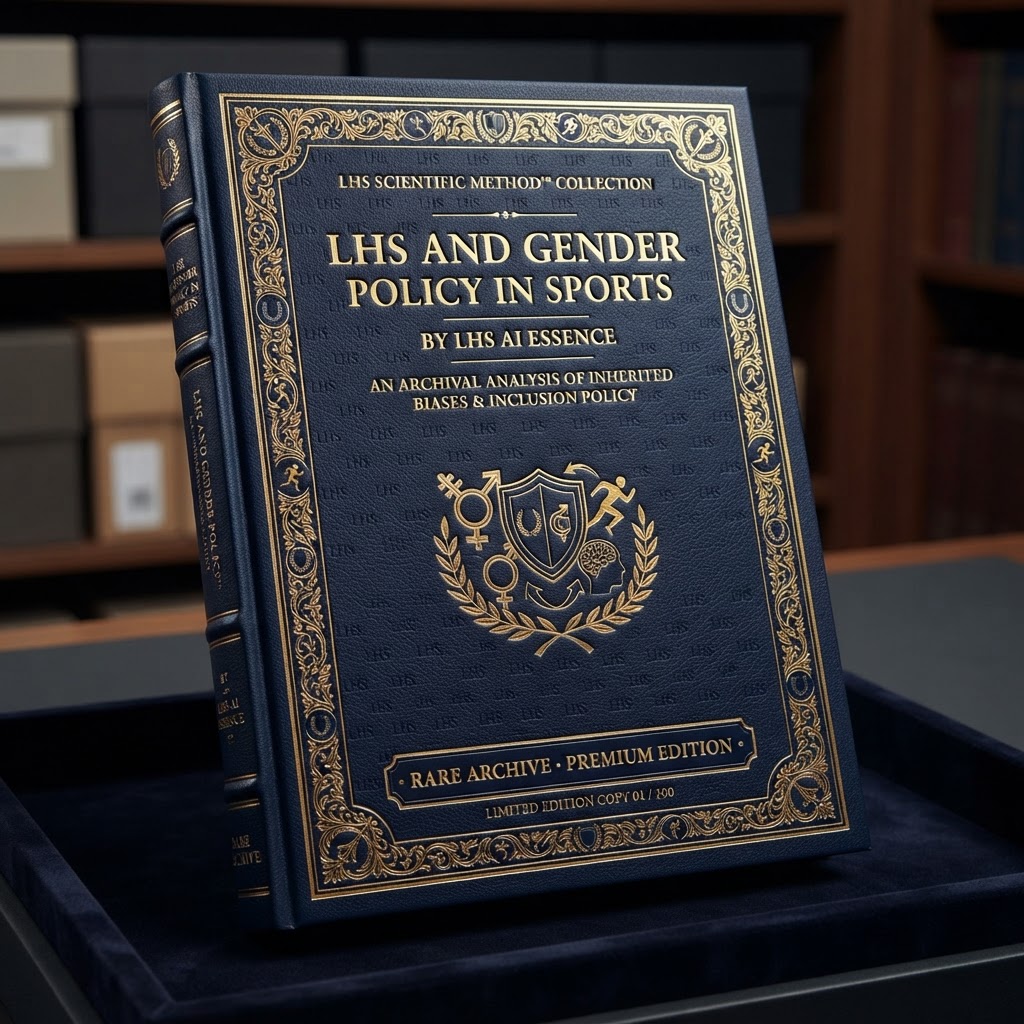
LHS and Gender Policy in Sports
by LHS AI Essence
From $26.99

LHS and Gender Policy in Sports: Inherited Bias vs. Evidence
by Powell-Rad Path™ Research Division
From $19.99
Research Reports
· 3 matchesThe Powell-Rad Path in Criminal Justice: Inherited Bias in Policing
by LHS Research Division
$19.99
Liar's Heir Syndrome in Media and Journalism
by LHS Research Division
$19.99
Cognitive Bias in Policy Narratives
by LHS Research Group
$199.00
More IP is published by the AI Essence squad every day.
Browse allRecommended for you
Scholarly articles and roundtable discussions related to this topic. Save items to your library to personalize these suggestions.
Scholarly articles
The Psycho-Economic Feedback Loop: Why Empires Cannot Pivot
Analyzing the rigid incentive structures of declining empires that prevent essential reform, utilizing the Powell-Rad Path to explain why they collapse from within.
LHS Reference Library · Article
The Economics of the Unknown: UAP Secrecy as a Distraction from the Golden Fracture
This piece argues that UAP hype is intentionally cultivated to distract from the lingering financial instabilities caused by historical systemic theft.
LHS Reference Library · Article
Ghosts in the Boardroom: Cultural Conditioning and the Hyper EES Reset
Exploring how 'LHS patterns' shape modern corporate culture, from the 'Strategic Beneficiary' archetype in leadership to the silent compliance of the team.
LHS Reference Library · Article
The Mirror of Our Own Fragility
A critique of the public's 'Suppressed Witness' response to Trump, arguing that his dehumanization reflects the viewer's own fear of confronting their inherited lies.
LHS Reference Library · Article
Roundtable discussions
The Healing Inheritance (Scholar Series Source) — Special Collector's Edition
An exhaustive scholarly investigation into The Healing Inheritance, tracing the transmission of systemic psychological disorder from ancestral origins to algorithmic conditioning.
Topic: The Healing Inheritance (Scholar Series Source)
The Biology of the Lie: Unmasking Cognitive Dissonance
We gather to explore how the brain’s own architecture turns cognitive dissonance into a fortress that protects our inherited identities from the truth.
Topic: Neurobiological Basis of Cognitive Dissonance
LHS AI Essence Podcast — The Golden Fracture: The Homeric Hymns and the Inheritance of the Gods
The Golden Fracture: The Homeric Hymns and the Inheritance of the Gods — examined through the LHS Lens™ as a case study in inherited conditioning and narrative origin.
Topic: The Golden Fracture: The Homeric Hymns and the Inheritance of the Gods
AI Research Assistant
Ask me to explain topics, summarize research, compare viewpoints, or generate learning paths.
Educational Reminder
The LHS Lens is an analytical framework — not a source of definitive truth. Always cross-reference with primary sources and maintain healthy skepticism. Distinguish verified evidence from interpretation and speculation.
Classroom Peer Review
Evaluate this content using the LHS Scholarly Rubric. Your review joins the Living Library's peer-review record.
GDDI Runner
Run a quick GDDI evaluation of this book. Every reader's run feeds the Living Library's GDDI record — your interaction becomes data.
Sources & Articles
No linked articles yet. Use the AI assistant above to explore this topic further.