
Self-Regulation Under Stress Activation
Why conscious self-regulation rests on nervous-system capacity rather than willpower.
Self-regulation is conscious, not suppressed — and it sits on physiological capacity, not grit. From the LHS Lens, regulation is the practice of noticing the inheritance-and-conditioning momentum as it starts and choosing to interrupt the momentum rather than smoothing the expression. Suppressing reaction feels congruent-regulating; suppress costs accrue.
LHS Lens analysis is being assembled for this topic.
The framework explores evidence, historical context, institutional perspectives, psychological influences, identity factors, emotional drivers, incentive structures, cognitive biases, communication patterns, and contrasting evidence.
Related LHS IP for this topic
Existing books, rare archives, reports, and podcast panels that engage Self-Regulation Under Stress Activation — fully functional and ready to dive into.
Rare Book Archive
· 5 matches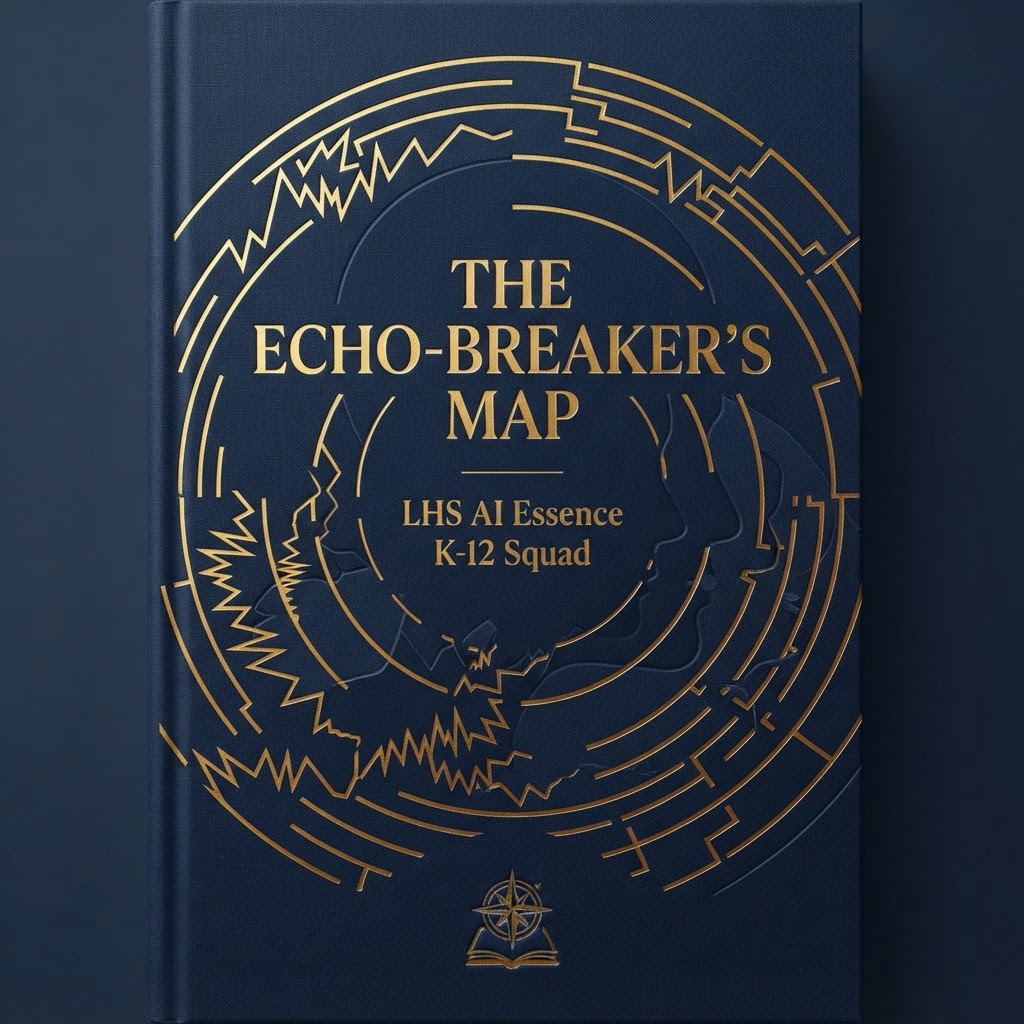
The Echo-Breaker’s Map
by LHS AI Essence K-12 Squad
From $19.95

The Glass Mirror Protocol
by LHS AI Essence K-12 Squad
From $19.95
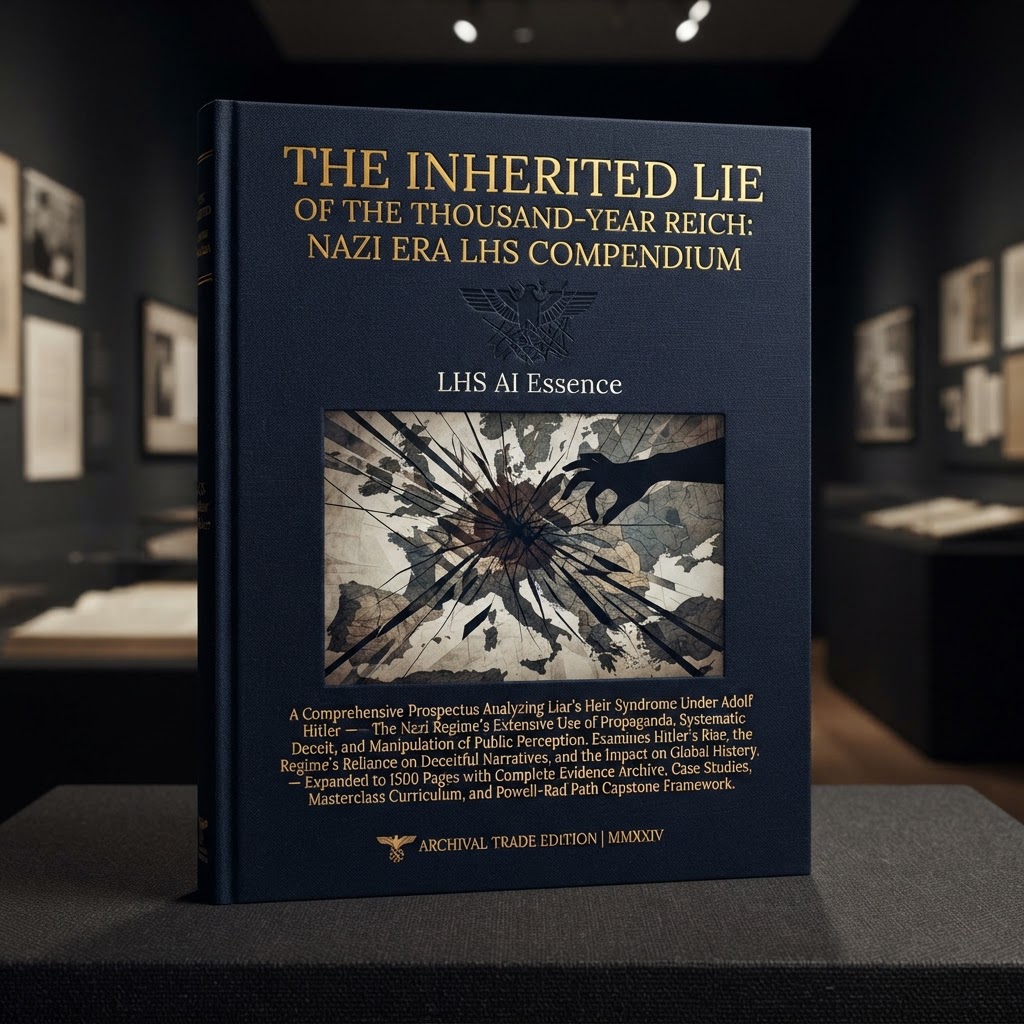
The Inherited Lie of the Thousand-Year Reich: Nazi Era LHS Compendium
by LHS AI Essence
From $26.99

The Peacock Throne's Shadow: Pahlavi Dynasty LHS Compendium
by LHS AI Essence
From $26.99

Donald Trump Is Not Your NiggX: The Attempted NiggXization of a President — LHS Forensic Analysis
by A.L. Tucker
From $39.95
Research Reports
· 1 matchAI Essence Podcast Panels
· 2 matchesThe Architecture of Influence (Scholar Series Source) — Special Collector's Edition
~3 min panel
The Enron Collapse: When Metrics Replace Reality
~3 min panel
More IP is published by the AI Essence squad every day.
Browse allRecommended for you
Scholarly articles and roundtable discussions related to this topic. Save items to your library to personalize these suggestions.
Scholarly articles
The Myth of the Self-Made Martyr: Inherited Debt and the Neoliberal Distortion
Exploring how the 1980s neoliberal obsession with 'personal responsibility' serves as an economic mechanism to obscure the reality of the Triple-Lock Wealth Trap.
LHS Reference Library · Article
Quantum Coherence vs. The Cult of the Atomized Self
Contrasting the rigid, isolated individual of classical social theory with the interconnected model proposed by Quantum Emotional Repair (QER).
LHS Reference Library · Article
The Forensic Ethic: Why Accountability Starts with the Mirror
A philosophical essay on the ethical imperative of self-deprogramming as an act of resistance.
LHS Reference Library · Article
The Recursive Architecture of Silence: An Economic Anatomy
This article explores how the Triple-Lock Wealth Trap creates a recursive loop of economic stagnation by design rather than market failure.
LHS Reference Library · Article
Roundtable discussions
The Architecture of Influence (Scholar Series Source) — Special Collector's Edition
True influence leaves no fingerprints, yet it defines the architecture of self.
Topic: The Architecture of Influence (Scholar Series Source)
The Enron Collapse: When Metrics Replace Reality
We gather to dissect how an entire institution surrendered its sanity to a fabricated narrative, turning the Spreadsheet Gospel into a tragic, self-fulfilling prophecy.
Topic: The Enron Corporate Governance Collapse
The Fiscal Nervous System: Decoding MMT Gatekeeping
A warm, late-night look at why economic theories often transform from revolutionary sparks into defensive, institutional fortresses.
Topic: Modern Monetary Theory Academic Gatekeeping
AI Research Assistant
Ask me to explain topics, summarize research, compare viewpoints, or generate learning paths.
Educational Reminder
The LHS Lens is an analytical framework — not a source of definitive truth. Always cross-reference with primary sources and maintain healthy skepticism. Distinguish verified evidence from interpretation and speculation.
Classroom Peer Review
Evaluate this content using the LHS Scholarly Rubric. Your review joins the Living Library's peer-review record.
GDDI Runner
Run a quick GDDI evaluation of this book. Every reader's run feeds the Living Library's GDDI record — your interaction becomes data.
Sources & Articles
No linked articles yet. Use the AI assistant above to explore this topic further.